 EN
EN
 AR
AR
 BG
BG
 HR
HR
 CS
CS
 DA
DA
 NL
NL
 FI
FI
 FR
FR
 DE
DE
 EL
EL
 HI
HI
 IT
IT
 JA
JA
 KO
KO
 NO
NO
 PL
PL
 PT
PT
 RO
RO
 RU
RU
 ES
ES
 SV
SV
 TL
TL
 IW
IW
 ID
ID
 LT
LT
 SR
SR
 SL
SL
 UK
UK
 VI
VI
 HU
HU
 TH
TH
 TR
TR
 FA
FA
 MS
MS
 GA
GA
 AZ
AZ
 KA
KA
 BN
BN
 SO
SO


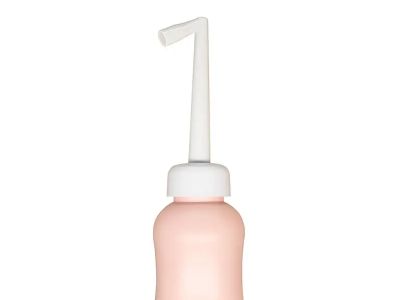
The product development process for travel bidets involves a series of systematic steps aimed at designing, manufacturing, and delivering high-quality portable bidet solutions. This article will address key concerns for B2B buyers, such as material selection, manufacturing capabilities, and customization options. Understanding these elements can help purchasing managers, distributors, and engineers make informed decisions.
Understanding the Product Development Process for Travel Bidets
The product development process for travel bidets typically begins with conceptual design, where ideas are generated based on market research and customer feedback. This stage involves defining the product's purpose, features, and target audience. For travel bidet, essential considerations include portability, ease of use, and functionality, such as adjustable water pressure and nozzle control.
Next, the design phase includes creating prototypes. These prototypes are crucial for evaluating the practicality of the design, ensuring it meets the ergonomic needs of users, and confirming that it can be manufactured efficiently. Testing prototypes in real-world scenarios such as travel conditions helps identify potential issues early in the development process.
Once a prototype is finalized, it moves into production. This stage involves selecting durable materials that can withstand varying conditions while ensuring user comfort. For example, high-quality plastics and stainless steel are common choices for components in travel bidets due to their durability and ease of cleaning.
Finally, quality control processes are critical throughout the production phase. Rigorous testing ensures that each portable travel bidet meets safety and performance standards before reaching the market, thereby instilling confidence in distributors and end-users.
Why Trust Matters in Bidet Manufacturing?
Trust is paramount in bidet manufacturing, especially for B2B partnerships. Buyers need to feel confident that their supplier can deliver high-quality products consistently. This trust is built through several factors:
Certification and Compliance: Manufacturers should provide clear evidence of compliance with relevant safety and quality standards. Certifications from recognized bodies can assure buyers that the products are safe and effective.
Experience and Reputation: A company's history and track record in the industry play a significant role in building trust. Companies like Xiamen Aquatown Technology Co., Ltd., with experience in OEM/ODM services and a portfolio of over 100 patents, can instill confidence in potential clients.
Transparent Communication: Open lines of communication regarding product specifications, manufacturing processes, and potential challenges build a strong foundation of trust. Buyers should feel comfortable asking questions and addressing concerns throughout the development process.
Quality Control Practices: Rigorous quality control measures, such as in-house testing and automated assembly processes, demonstrate a commitment to producing reliable products. Buyers should inquire about these practices to ensure consistency and quality.
A Contractor's Perspective
From a contractor's perspective, understanding the nuances of the product development process for travel bidets can make a significant difference. Here are some practical insights:
Material Selection: Contractors should consider the application environment when choosing materials. For portable bidet, lightweight yet durable materials are preferred to enhance portability without compromising quality.
Customization Needs: Many clients require customized features to cater to specific markets. Contractors should work closely with manufacturers to clearly define these customization options, including unique branding, color schemes, or additional functionalities.
Sample Approval: Before mass production, contractors need to approve finished samples rather than relying solely on design specifications. This step verifies that the product meets all operational and aesthetic requirements.
Production Challenges: Be aware of common production challenges, such as component compatibility or assembly line efficiency. A proactive approach can help mitigate delays and ensure that the project stays on schedule.
An Overview
Travel bidets are designed to offer a hygienic solution for users on the go. They typically feature a compact design, making them easy to carry and store. Key specifications to consider when selecting travel bidets include:
Dimensions: Compact dimensions are essential for portability. Buyers should confirm that the product fits within typical travel gear, such as carry-on luggage.
Water Pressure Adjustment: Adjustable water pressure settings enhance user comfort and accommodate different preferences.
Material Composition: High-quality materials ensure durability and resistance to wear. Common materials include ABS plastic for the body and stainless steel for nozzles to prevent corrosion.
Ease of Cleaning: Products should be designed for easy disassembly and cleaning to maintain hygiene, a critical factor for portable products.
Packaging: Consideration should be given to packaging that protects the bidet during transport while also being visually appealing to end-users.
Common Problems with Travel Bidets and Effective Solutions
While travel bidets provide numerous benefits, they may also present certain challenges. Here are common issues and effective solutions:
Leakage: One of the most common problems is leakage due to poor sealing or material incompatibility. To mitigate this, ensure that all seals and connections are thoroughly tested during the quality control phase.
User Error: Misuse can lead to unsatisfactory performance. Providing clear instructions and user guides can help minimize confusion and improve user experience.
Durability Issues: Travel bidets must withstand varying conditions, from temperature changes to physical impacts. Selecting robust materials and conducting thorough durability testing can help prevent failures in the field.
Portability Challenges: If the design is not compact enough, users may find it inconvenient to carry. Engaging with end-users during the design phase can provide valuable insights into desired features and dimensions.
Maintenance and Cleaning: Users may struggle with keeping the bidet clean. Designing with ease of disassembly and user-friendly cleaning features can enhance overall satisfaction.
Addressing these common problems proactively during the product development process can lead to a more successful product launch and happier customers. By focusing on quality, usability, and effective communication, manufacturers can build strong relationships with their B2B clients in the travel bidet market.