 EN
EN
 AR
AR
 BG
BG
 HR
HR
 CS
CS
 DA
DA
 NL
NL
 FI
FI
 FR
FR
 DE
DE
 EL
EL
 HI
HI
 IT
IT
 JA
JA
 KO
KO
 NO
NO
 PL
PL
 PT
PT
 RO
RO
 RU
RU
 ES
ES
 SV
SV
 TL
TL
 IW
IW
 ID
ID
 LT
LT
 SR
SR
 SL
SL
 UK
UK
 VI
VI
 HU
HU
 TH
TH
 TR
TR
 FA
FA
 MS
MS
 GA
GA
 AZ
AZ
 KA
KA
 BN
BN
 SO
SO


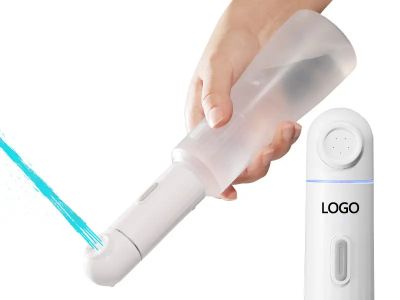
Portable bidets are becoming increasingly popular in international markets, offering a hygienic and eco-friendly alternative to traditional toilet paper. For manufacturers and distributors looking to develop portable bidet products, understanding the nuances of product development for international markets is crucial. This article will delve into the key considerations for selecting the right portable bidet, essential features to compare, buyer insights, common challenges, and cost factors associated with portable bidet product development
How to Choose the Right Portable Bidet for Your Market Needs
When selecting a portable bidet for international markets, consider several factors that align with regional preferences and regulatory standards. Different markets may have varying expectations regarding design, functionality, and cultural acceptance. For instance, in Europe, there is a strong emphasis on sustainability and eco-friendliness, which may influence the choice of materials used
Additionally, consider the power source and water supply options. Some markets may prefer battery-operated portable bidets for convenience, while others may favor models that connect directly to a water supply for consistent performance. Understanding the target demographic’s needs, such as ease of use for seniors or families, can also guide your selection process
Lastly, ensure compliance with international safety and quality standards, which can vary significantly between countries. Conducting thorough market research will help identify these needs and align your product offerings accordingly

Key Features to Compare in Portable Bidet Products
When evaluating portable bidet products, it is essential to compare specific features that can significantly impact user experience and satisfaction. Key features to consider include
Water Pressure Control: Adjustable water pressure ensures comfort and usability for different preferences. Look for models that offer multiple settings to cater to a wider audience
Material Quality: The choice of materials affects durability, aesthetics, and hygiene. High-quality, non-toxic materials that are easy to clean and resistant to wear are preferable
Portability: Assess the weight and compactness of the design. A truly portable bidet should be lightweight and easy to store or carry, appealing to frequent travelers
Ease of Use: Features such as ergonomic design, intuitive controls, and easy assembly can enhance user experience. Consider how the product will be used in different settings
Customization Options: Providing customizable features, such as colors or branding options, can attract businesses looking to differentiate their offerings in competitive markets
By closely analyzing these features, buyers can make informed decisions that align with market demands and improve customer satisfaction
What Buyers Need to Know
For buyers interested in sourcing portable bidet spray, several essential considerations can streamline the purchasing process. First, it is vital to communicate specific requirements, such as desired specifications, materials, and any customization needs. Providing detailed technical drawings or samples can facilitate accurate quotations
Additionally, buyers should inquire about the Minimum Order Quantity (MOQ) and lead times, which can vary significantly among manufacturers. Understanding these factors can help in planning inventory and managing customer expectations
Quality assurance is another critical aspect. Buyers should establish clear quality inspection criteria, including product specifications, functionality tests, and compliance with relevant safety standards. Engaging in a thorough evaluation process can prevent costly mistakes and ensure that the final product meets market requirements
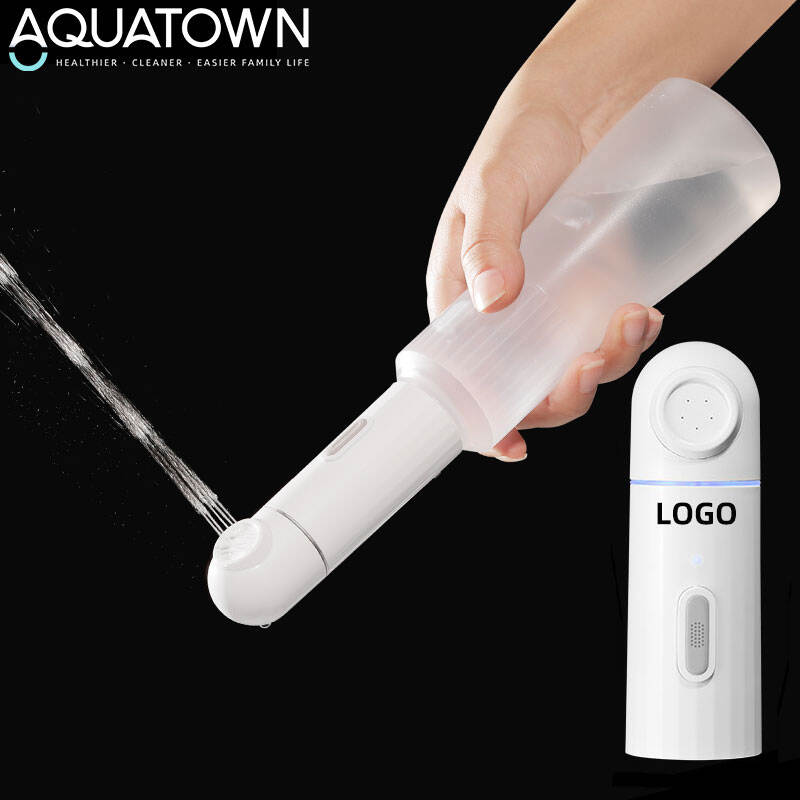
Common Problems with Portable Bidets and Their Solutions
Despite their advantages, portable bidets can encounter several common issues that may affect user satisfaction. One frequent problem is leaks, which can arise from improper sealing or low-quality connections. Ensuring that manufacturers conduct rigorous testing during production can help address these concerns
Another issue is the difficulty of cleaning the device, especially if it has intricate components. Buyers should consider products that prioritize easy disassembly and cleaning features to enhance user experience
Battery life can also be a concern for battery-operated models. It's essential to communicate the expected usage duration and recharge time to potential customers. Manufacturers can mitigate this issue by offering options with longer battery life or the ability to use the device while plugged in
Lastly, buyers should be aware of the need for clear installation instructions. Many users may not be familiar with portable bidets, so providing comprehensive guides and support can reduce frustration and enhance customer satisfaction
Understanding the Cost Factors of Portable Bidet Products
The pricing of travel portable bidet products is influenced by several key factors, which buyers should consider when evaluating potential suppliers
Material Costs: The choice of materials directly affects production costs. High-quality, durable materials may increase the initial price but can lead to greater customer satisfaction and reduce returns
Manufacturing Complexity: Products with more intricate designs or additional features may require more time and resources to manufacture, impacting overall costs. Buyers should weigh the benefits of these features against their budget constraints
Customization: Customizing products, whether for branding or specific market needs, can lead to increased costs. Understanding the implications of customization on pricing is crucial for budget planning
Volume Discounts: Purchasing in larger quantities often results in lower per-unit costs. Buyers should evaluate their purchasing strategy to leverage economies of scale effectively
Shipping and Import Duties: For international markets, shipping costs and import duties can significantly affect the total price. Buyers should consider these factors when negotiating terms with suppliers
By understanding these cost factors, buyers can better navigate the pricing landscape and make informed decisions that align with their financial goals and market positioning