 EN
 AR
 BG
 HR
 CS
 DA
 NL
 FI
 FR
 DE
 EL
 HI
 IT
 JA
 KO
 NO
 PL
 PT
 RO
 RU
 ES
 SV
 TL
 IW
 ID
 LT
 SR
 SL
 UK
 VI
 HU
 TH
 TR
 FA
 MS
 GA
 AZ
 KA
 BN
 SO


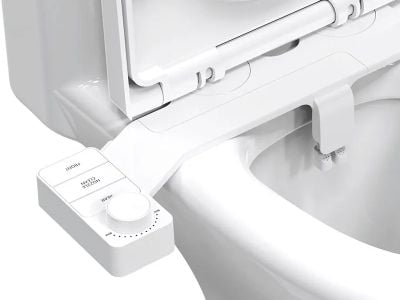
Portable electric bidets are gaining traction in global markets, driven by a growing emphasis on personal hygiene, environmental concerns, and user comfort. As purchasing managers, distributors, and engineers consider integrating these innovative products into their offerings, understanding what drives demand for portable electric bidet becomes crucial. This article will delve into key factors influencing the market, providing insights that can help buyers make informed purchasing decisions.
How to Choose the Right Portable Electric Bidet for Wholesale?
Selecting the appropriate portable electric bidet for wholesale involves several considerations. Buyers should start by assessing the product specifications such as size, capacity, and power requirements. For instance, portable bidet should be compatible with various plumbing systems and electrical setups common in different regions, particularly if catering to markets in Europe and the Americas.
Material choice is another critical factor. Look for bidets made from high-quality, durable materials that withstand frequent use while ensuring user safety. Additionally, consider the ergonomic design and ease of installation, as these attributes significantly affect customer satisfaction. Customization options, such as adjustable water temperature and pressure settings, can also make a product more appealing to a diverse customer base.
Finally, it's vital to evaluate the minimum order quantity (MOQ) and lead times. Understanding the supplier's production capacity and their ability to meet demand fluctuations can ensure a seamless purchasing experience.
Evaluating Quality Control Standards for Electric Bidets
Quality control is paramount when sourcing portable electric bidets. Buyers should inquire about the quality assurance processes in place at the manufacturing facility. For instance, Xiamen Aquatown Technology Co., Ltd. employs rigorous testing protocols in their professional laboratory to ensure product reliability and safety.
Check whether the supplier holds relevant certifications that attest to their manufacturing standards. Certifications may include ISO standards or compliance with regional safety regulations, which can significantly affect product acceptance in target markets.
Buyers should also assess the supplier's quality inspection process during production. This includes pre-production sample approvals, in-line inspections, and final product evaluations. Ensuring that the supplier has a systematic approach to quality control can mitigate potential issues before products reach the market.
Cost Factors That Influence Portable Electric Bidet Purchases
Several cost factors influence purchasing decisions for portable electric bidets. The initial cost of the product is a primary consideration; however, buyers should also factor in shipping expenses, taxes, and potential import duties, especially when sourcing from international suppliers.
Customization options can affect pricing as well. Tailored features such as unique designs, specific functionalities, or brand-specific packaging may lead to increased production costs. Understanding the total cost of ownership, including maintenance and potential replacements, will provide a clearer picture of the investment required.
Volume purchases often lead to cost savings, so discussing bulk order discounts or flexible payment terms with suppliers can be advantageous. Additionally, it’s wise to evaluate the warranty and service agreements offered by suppliers, as these can impact long-term costs and customer satisfaction.
A Buyer’s Guide
When preparing to purchase portable electric bidets, buyers should compile essential information to facilitate the request for quotation (RFQ) process. Key details include:
Product Specifications: Clearly outline the desired features, dimensions, and materials.
Estimated Order Volume: Provide an estimate of the quantity needed to help suppliers offer accurate pricing.
Application Requirements: Explain where and how the bidet toilet seat will be used, as this can influence design and functionality.
Customization Needs: Indicate any specific branding or design elements that should be included.
Delivery Location: Understanding shipping logistics and costs can influence the supplier choice.
Before finalizing an order, buyers are advised to request samples for evaluation. Testing samples under actual conditions can help confirm quality and usability, ensuring they meet the intended requirements.
Comparing Features of Leading Portable Electric Bidet Brands
When evaluating portable electric bidets, comparing the features of leading brands can provide valuable insights. Key features to consider include:
Water Temperature Control: The ability to adjust water temperature enhances user comfort and can differentiate products in the market.
Pressure Settings: Multiple pressure options allow users to customize their experience, catering to varying preferences.
Material Quality: Durable, easy-to-clean materials can enhance longevity and hygiene, making them crucial for customer satisfaction.
Ease of Installation: Bidets that are easy to install without professional assistance can appeal to a broader audience.
Additionally, consider the warranty and customer service offered by brands. A strong support system can be a deciding factor, especially for wholesale buyers concerned about post-purchase support.
Understanding what drives demand for portable electric bidets in global markets involves assessing product specifications, quality control measures, cost factors, and brand features. By preparing adequately and focusing on these areas, purchasing managers, distributors, and engineers can make informed decisions that align with market needs.