 EN
EN
 AR
AR
 BG
BG
 HR
HR
 CS
CS
 DA
DA
 NL
NL
 FI
FI
 FR
FR
 DE
DE
 EL
EL
 HI
HI
 IT
IT
 JA
JA
 KO
KO
 NO
NO
 PL
PL
 PT
PT
 RO
RO
 RU
RU
 ES
ES
 SV
SV
 TL
TL
 IW
IW
 ID
ID
 LT
LT
 SR
SR
 SL
SL
 UK
UK
 VI
VI
 HU
HU
 TH
TH
 TR
TR
 FA
FA
 MS
MS
 GA
GA
 AZ
AZ
 KA
KA
 BN
BN
 SO
SO


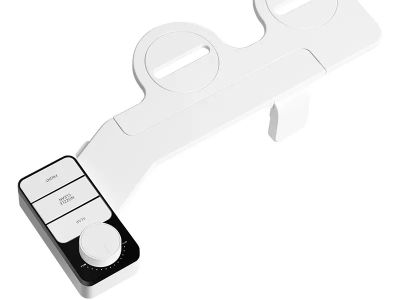
Understanding the materials used in bidet attachment manufacturing is crucial for buyers looking to ensure quality, durability, and performance in their products. This article will explore what materials are commonly used in bidet attachments, helping purchasing managers, distributors, and product managers make informed decisions. We'll discuss material types, quality evaluation, sourcing options, and installation considerations, addressing key buyer concerns throughout the process
What Materials Are Ideal for Bidet Attachments Manufacturing
Bidet attachments are typically made from a combination of materials that ensure durability, ease of cleaning, and resistance to water and chemicals. The most common materials used in manufacturing bidet attachments include
Plastic (ABS and PP): Acrylonitrile Butadiene Styrene (ABS) and Polypropylene (PP) are two of the most popular plastics for bidet attachments. ABS is known for its strength and resistance to impact, while PP is lightweight and offers good resistance to chemicals and moisture. These plastics are ideal for the body of the bidet attachment due to their durability and ease of molding
Stainless Steel: Often used for the internal components and fittings, stainless steel is favored for its corrosion resistance and strength. It ensures longevity, particularly in areas exposed to water, and adds a premium feel to the product
Rubber and Silicone: These materials are commonly used for seals and gaskets to prevent leaks. They provide flexibility and durability, ensuring a tight fit between the bidet attachment and the toilet seat
Ceramic: In some designs, ceramic is used for the nozzle or spray head. It can offer advantages in terms of aesthetics and resistance to scratching
When selecting materials, manufacturers should consider the intended use and environment of the bidet attachment. For instance, products aimed at higher-end markets may incorporate more stainless steel and ceramic, while budget models may rely more heavily on plastics
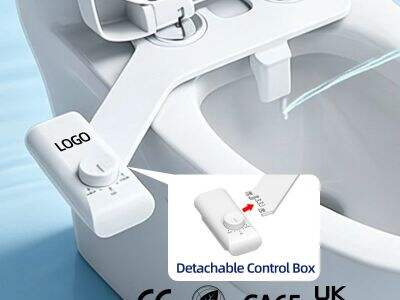
How to Evaluate Material Quality in Bidet Attachments
Material quality directly impacts the performance and longevity of bidet attachment toilet seat. Here are key aspects buyers should evaluate
Durability: Assess the material's resistance to wear and tear. For example, ABS is robust but can become brittle over time if subjected to extreme temperatures. Testing materials under various environmental conditions can provide insights into their longevity
Chemical Resistance: Given the exposure to cleaning agents and water, materials should resist corrosion and degradation. For instance, stainless steel is preferable in components that will be in constant contact with water
Surface Finish: A smooth surface finish on plastic components not only enhances aesthetics but also aids in cleanliness, preventing the buildup of bacteria. Evaluate the finish during the sample inspection phase
Compliance with Standards: Ensure materials comply with relevant health and safety standards, especially for products intended for the European and American markets. Materials should be non-toxic and free from harmful substances
Sample Approval: Before mass production, it's essential to evaluate a finished sample rather than relying solely on material specifications. This allows for an assessment of fit, finish, and actual performance
Where to Source Reliable Bidet Attachment Materials in Bulk
Sourcing materials in bulk requires careful consideration of suppliers to ensure quality and reliability. Here are some strategies
Established Suppliers: Look for suppliers with a proven track record in the manufacturing of bathroom fixtures or sanitary products. They should be able to provide certifications for their materials
Local vs. International Sourcing: Depending on your target market, consider sourcing materials locally to reduce shipping times and costs. However, international suppliers may offer competitive pricing and specialized materials
-
Trade Shows and Industry Events: Attending trade shows can provide direct access to material suppliers, allowing buyers to assess products firsthand and establish relationships
Requesting Samples: Always request samples before committing to bulk orders. This ensures that the materials meet your specifications and quality standards
Quality Assurance Processes: Verify that suppliers have robust quality assurance processes in place. This might include testing for material integrity and compliance with safety standards
Comparing Common Materials Used in Bidet Attachments
When evaluating materials for bidet attachments, it’s beneficial to compare the advantages and disadvantages of each
| Material | Advantages | Disadvantages |
|---|---|---|
| ABS | Strong, impact-resistant, lightweight | Can become brittle over time |
| PP | Chemically resistant, lightweight | May not feel as premium |
| Stainless Steel | Durable, premium look, corrosion-resistant | Heavier, can be more expensive |
| Rubber/Silicone | Flexible, good sealing properties | May degrade over time with exposure to chemicals |
| Ceramic | Aesthetic appeal, scratch-resistant | Can be fragile, heavier |
Understanding these differences helps in selecting the right materials based on budget, performance requirements, and market expectations
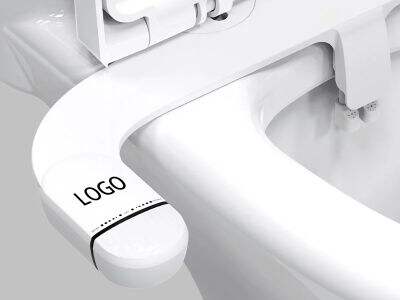
Installation Considerations for Different Bidet Attachment Materials
The choice of materials can impact the installation process of bidet attachments. Here are some considerations
Weight: Heavier materials like stainless steel may require more robust installation hardware. Ensure that the toilet seat and the attachment can support the weight without compromising stability
Compatibility: Verify that the materials used in the bidet attachment are compatible with various toilet designs. For example, certain plastics may flex under pressure, affecting the fit
Temperature Resistance: Materials should withstand temperature fluctuations, especially in installations near heating elements or in areas prone to temperature extremes
Seal Integrity: Pay special attention to the seals made from rubber or silicone. They must fit properly to prevent leaks during use. Testing the installation with water pressure can help verify seal integrity
User Guidelines: Provide clear installation instructions that consider the material properties, ensuring users can install the product correctly without damaging the materials
By understanding these factors, buyers can better navigate their purchasing and installation processes, ensuring they select non electric bidet attachments that meet their quality and performance needs