 EN
EN
 AR
AR
 BG
BG
 HR
HR
 CS
CS
 DA
DA
 NL
NL
 FI
FI
 FR
FR
 DE
DE
 EL
EL
 HI
HI
 IT
IT
 JA
JA
 KO
KO
 NO
NO
 PL
PL
 PT
PT
 RO
RO
 RU
RU
 ES
ES
 SV
SV
 TL
TL
 IW
IW
 ID
ID
 LT
LT
 SR
SR
 SL
SL
 UK
UK
 VI
VI
 HU
HU
 TH
TH
 TR
TR
 FA
FA
 MS
MS
 GA
GA
 AZ
AZ
 KA
KA
 BN
BN
 SO
SO


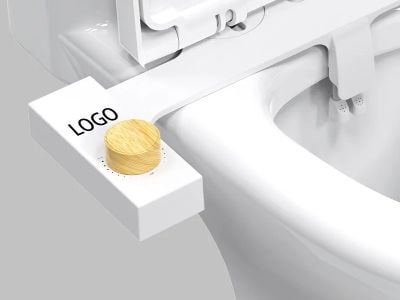
Smart bidet toilets are revolutionizing the bathroom experience by offering enhanced comfort, hygiene, and technology integration. As a B2B buyer looking to invest in smart bidet toilet manufacturing, understanding what features matter is crucial for making informed purchasing decisions. This article will address key specifications, sourcing reliable suppliers, cost considerations, and common challenges to help you navigate the complexities of this growing market.
Key Specifications for Wholesale Smart Bidet Toilet Purchases
When sourcing smart bidet toilets, certain specifications should be prioritized to ensure optimal performance and user satisfaction. Key specifications include:
Water Pressure and Temperature Control: Smart bidets often come with adjustable water pressure and temperature settings. These features enhance user comfort and can be crucial for different climates and preferences. It's essential to confirm that the product can maintain consistent water temperature and pressure during usage, as fluctuations can lead to a subpar user experience.
Material Quality: The materials used in the bidet’s construction significantly influence durability and hygiene. High-quality plastics, such as ABS or polypropylene, are commonly used for the body, while ceramic components might be utilized for the toilet bowl. Buyers should verify that the materials meet safety standards and are resistant to stains and bacteria.
Control Mechanisms: smart bidet typically feature either remote controls or integrated touch panels. Understanding the usability and accessibility of these controls is vital. Ensure that the control interface is intuitive and user-friendly, as this will affect the overall user satisfaction.
Installation Compatibility: Bidets must be compatible with existing toilet setups. Buyers should assess the dimensions and installation requirements to avoid complications during installation. It’s advisable to confirm whether the product requires additional plumbing or electrical work.
Customization Options: With the rise of personalization in consumer products, check if the manufacturer offers customization options such as color, features, or branding. This flexibility can be a significant advantage for distributors targeting diverse markets.
Where to Source Reliable Suppliers for Smart Bidet Toilets?
Finding trustworthy suppliers is critical for ensuring product quality and timely delivery. Here are some strategies for sourcing reliable manufacturers:
Industry Trade Shows and Expos: Participating in relevant trade shows can provide direct access to manufacturers and suppliers in the smart bidet toilet sector. These events allow buyers to evaluate product quality firsthand, compare offerings, and establish relationships with potential suppliers.
Online Supplier Directories: Websites like Alibaba, ThomasNet, and Global Sources can connect buyers with numerous manufacturers. Look for suppliers with verified feedback, extensive experience, and a solid reputation in the industry. Pay attention to their certifications, which can indicate compliance with international standards.
Request for Proposals (RFPs): When reaching out to potential suppliers, consider issuing an RFP that outlines your specific requirements, including specifications, quantities, and delivery timelines. This approach can help you gauge the suppliers' responsiveness and capability to meet your needs.
Quality Assurance Checks: Before finalizing a supplier, conduct quality audits or request product samples. This step helps verify that the manufacturing processes align with your quality standards and specifications.
Cost Factors to Consider in Smart Bidet Toilet Bulk Orders
Understanding the cost components involved in bulk orders of smart bidet toilets is essential for budget management. Key cost factors include:
Material Costs: The choice of materials directly impacts the overall cost. High-quality, durable materials may incur higher initial costs but can reduce long-term maintenance and replacement expenses.
Manufacturing Complexity: bidet toilet seat with advanced features such as heated seats, automatic lids, and integrated cleaning systems may require more intricate manufacturing processes. This complexity can increase production costs, which should be reflected in the pricing.
Shipping and Handling: Consider the logistics involved in transporting bulk orders. Shipping costs can vary significantly based on the size and weight of the units, as well as the destination. Be sure to factor in potential duties or tariffs for international shipments.
Minimum Order Quantities (MOQ): Suppliers often have minimum order quantities that can affect pricing. Understanding these requirements can help you negotiate better terms and manage inventory effectively.
Lead Times: Longer lead times might necessitate larger inventory purchases, impacting cash flow. Confirming production schedules and delivery times with suppliers can help in planning your inventory needs.
A Comprehensive Guide
When purchasing smart bidet toilets, a comprehensive approach ensures you cover all critical aspects:
Technical Specifications: Confirm essential technical specifications, including water flow rates, power requirements, and electrical ratings. These specifications should align with your local regulations and standards.
Quality Control Systems: Inquire about the manufacturer's quality control processes. Understanding their testing methods and certification standards can provide assurance of product reliability.
Warranty and After-Sales Support: Evaluate the warranty offerings and after-sales services provided by the manufacturer. A robust warranty and responsive customer service can significantly enhance the value of your purchase.
Market Trends and Consumer Preferences: Staying informed about current trends in the bidet market, such as eco-friendly features or smart home integration, can guide your purchasing decisions and align your offerings with consumer demands.
Common Problems with Smart Bidet Toilets and Their Solutions
Smart bidet toilets, while innovative, may present some common challenges. Here are a few issues and how to address them:
Installation Issues: Improper installation can lead to leaks or malfunctions. To mitigate this, ensure that installation guidelines are clear and that professional installation services are available if needed.
Electrical Failures: As smart bidets rely on electrical components, power outages or surges can cause failures. Recommend that users have surge protectors installed to safeguard against electrical issues.
Maintenance and Cleaning: Some users may struggle with maintaining cleanliness due to the complex design of smart bidets. Providing clear maintenance guidelines and easy-to-follow cleaning instructions can help users keep their units in optimal condition.
User Confusion: Advanced features can overwhelm some users. Consider integrating user-friendly manuals or online tutorials to help customers understand how to maximize their bidet’s functionalities.
By addressing these common problems and their solutions, suppliers can enhance customer satisfaction and reduce the likelihood of returns or complaints.
In summary, understanding the features that matter in bidet toilet attachment manufacturing is essential for making informed purchasing decisions. By focusing on specifications, supplier reliability, cost factors, and potential challenges, you can ensure a successful procurement process that meets the needs of your market.