 EN
 AR
 BG
 HR
 CS
 DA
 NL
 FI
 FR
 DE
 EL
 HI
 IT
 JA
 KO
 NO
 PL
 PT
 RO
 RU
 ES
 SV
 TL
 IW
 ID
 LT
 SR
 SL
 UK
 VI
 HU
 TH
 TR
 FA
 MS
 GA
 AZ
 KA
 BN
 SO


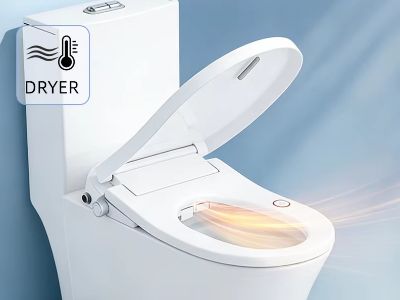
Smart Toilet Bidet Components for Integrated Bathroom Systems are essential elements that enhance the functionality and comfort of modern bathroom environments. As the demand for high-tech, hygienic solutions increases, purchasing managers and distributors need to understand the critical aspects of these components. This article aims to provide insights into selecting the right bidet components, key specifications, cost considerations, installation guidance, and their applications in contemporary bathroom systems.
What to Consider When Choosing Smart Toilet Bidet Components?
When selecting smart toilet bidet components, buyers should evaluate several factors to ensure compatibility and performance. First, assess the features offered, such as heated seats, adjustable water temperature, and self-cleaning nozzles. These features not only enhance user comfort but can also influence the purchasing decision based on consumer preferences.
Next, consider the compatibility of the components with existing bathroom fixtures. It's essential to confirm that the dimensions and connections align with the toilet model to avoid installation complications. Additionally, pay attention to the power requirements. Some systems may require electrical outlets for advanced features, while others operate purely on water pressure.
Buyers should also evaluate the materials used in the components. High-quality materials like ABS plastic or stainless steel offer durability and resistance to wear, which is crucial in maintaining the functionality of the bidet over time. Finally, researching the manufacturer's reputation for quality and warranty offerings can provide peace of mind regarding long-term performance.
Key Specifications for Smart Toilet Bidet Systems Explained
Understanding the key specifications of smart toilet bidet systems is vital for making informed procurement decisions. Critical specifications include:
Water Pressure Requirements: Most smart bidets operate effectively within a specific range of water pressure. Buyers should confirm that their plumbing system can meet these requirements to ensure optimal performance.
Dimensions and Fit: The dimensions of the bidet attachment should match the toilet bowl's size and shape. A proper fit ensures effective sealing and prevents leaks, which could lead to water damage.
Power Supply: Some bidet smart toilet seat require a dedicated electrical connection for advanced features such as heated seats and air drying. Checking the voltage and amperage needed is essential to avoid electrical issues post-installation.
Flow Rate: The flow rate of the water affects the efficiency of the bidet. A higher flow rate can provide a more effective wash but may require more water. Buyers should balance performance with water conservation considerations.
Control Mechanism: Bidets can come with remote controls, side panels, or smartphone integration. Understanding the user interface and ease of use can enhance customer satisfaction.
These specifications allow buyers to evaluate the suitability of different bidet systems for their intended applications effectively.
Cost Factors to Assess for Smart Toilet Bidet Integrations
Cost considerations play a significant role in the procurement of smart toilet bidet components. Buyers should consider the following factors:
Initial Purchase Price: The upfront cost of the bidet system varies widely based on features and brand reputation. While some may opt for budget-friendly options, investing in higher-end models can result in better longevity and features.
Installation Costs: Installation can be straightforward for some models, while others may require professional plumbing and electrical work. It's crucial to factor in these potential additional costs when budgeting.
Maintenance and Repairs: The long-term cost of ownership includes routine maintenance and potential repairs. Choosing components with solid warranties and easy access to replacement parts can mitigate future expenses.
Operational Costs: Some smart bidets may result in increased water and electricity bills. Buyers should evaluate these ongoing costs compared to traditional toilet solutions.
Customization Options: Customizable bidet features may come at an additional cost but can lead to higher customer satisfaction and potentially increased sales.
Understanding these cost factors will help buyers make more informed decisions regarding their investments in smart toilet bidet bidet systems.
Installation Guidance for Smart Toilet Bidet Components
Proper installation of smart toilet bidet components is crucial for optimal performance and longevity. Here are some key steps to ensure a successful installation:
Assess the Existing Setup: Before installation, evaluate the current toilet setup, including the water supply and electrical outlets. Ensure that the plumbing can handle the bidet's requirements.
Follow Manufacturer's Instructions: Each smart bidet model will have specific installation instructions. It’s essential to adhere to these guidelines closely to avoid damage or operational issues.
Gather Necessary Tools: Prepare all required tools, such as wrenches, screwdrivers, and pliers. Having everything on hand can streamline the installation process.
Test for Leaks: Once installed, turn on the water and test the bidet for leaks. Make any necessary adjustments to ensure a watertight seal.
Adjust Settings: Familiarize yourself with the control settings and test the various features to confirm everything functions as intended.
Proper installation not only ensures user satisfaction but also minimizes the risk of future issues that can arise from improper setup.
Applications of Smart Toilet Bidet Components in Modern Bathrooms
Smart toilet bidet components are increasingly integrated into modern bathroom designs, appealing to a wide range of consumers. Their applications include:
Residential Use: Homeowners are adopting smart bidets for improved hygiene and comfort, particularly in master bathrooms and guest suites. Features like heated seats and adjustable settings are popular among consumers seeking luxury.
Commercial Spaces: In commercial settings such as hotels and restaurants, providing smart bidet options can enhance guest experiences and differentiate the establishment from competitors.
Healthcare Facilities: Smart bidets are beneficial in healthcare environments, offering improved hygiene for patients and ease of use for caregivers, particularly for individuals with mobility challenges.
Eco-Friendly Initiatives: With an increasing focus on sustainability, smart bidets can reduce toilet paper usage, contributing to environmental conservation efforts.
These varied applications illustrate the versatility and growing importance of bidet smart toilet seat components in today's market, making them a valuable addition to any bathroom system.
Table of Contents
- What to Consider When Choosing Smart Toilet Bidet Components?
- Key Specifications for Smart Toilet Bidet Systems Explained
- Cost Factors to Assess for Smart Toilet Bidet Integrations
- Installation Guidance for Smart Toilet Bidet Components
- Applications of Smart Toilet Bidet Components in Modern Bathrooms