 EN
EN
 AR
AR
 BG
BG
 HR
HR
 CS
CS
 DA
DA
 NL
NL
 FI
FI
 FR
FR
 DE
DE
 EL
EL
 HI
HI
 IT
IT
 JA
JA
 KO
KO
 NO
NO
 PL
PL
 PT
PT
 RO
RO
 RU
RU
 ES
ES
 SV
SV
 TL
TL
 IW
IW
 ID
ID
 LT
LT
 SR
SR
 SL
SL
 UK
UK
 VI
VI
 HU
HU
 TH
TH
 TR
TR
 FA
FA
 MS
MS
 GA
GA
 AZ
AZ
 KA
KA
 BN
BN
 SO
SO


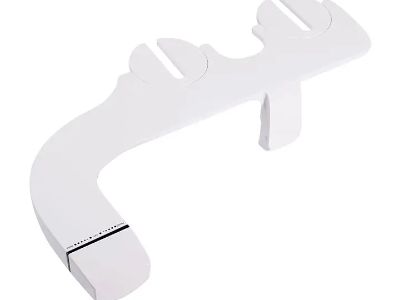
Bidet toilet seats have become increasingly popular in both residential and commercial settings due to their comfort, hygiene benefits, and eco-friendliness. Understanding how bidet toilet seats are developed for OEM production is crucial for B2B buyers, including purchasing managers and distributors, who seek reliable, high-quality products. This article will delve into the manufacturing process, material selection, cost factors, common issues, and the applications of bidet toilet seat, providing valuable insights for making informed purchasing decisions.
How Bidet Toilet Seats Are Manufactured for Wholesale Buyers
The manufacturing of bidet toilet seats involves multiple phases, including design, prototyping, testing, and mass production. At Xiamen Aquatown Technology Co., Ltd., we utilize advanced automated machinery and a rigorous quality control process to ensure that our products meet international standards. The initial phase begins with in-house design, where engineers create detailed specifications based on market demands and customer feedback.
Once the design is finalized, prototypes are developed and subjected to extensive testing in our professional laboratory. This phase is critical because it allows buyers to assess functionality, user comfort, and design aesthetics before moving into mass production. After the prototype approval, the production process involves precision molding and assembly, ensuring that each round bidet toilet seat is manufactured to the same high standards.
For wholesale buyers, understanding the manufacturing timeline and process is vital. Buyers should inquire about lead times, production capacity, and the availability of customizable solutions to meet specific market needs.
Choosing the Right Materials for Bidet Toilet Seat Development
Material selection plays a significant role in the performance and durability of bidet toilet seats. Common materials include high-grade plastics, such as polypropylene and ABS, which are favored for their resilience, ease of cleaning, and resistance to moisture.
When selecting materials, buyers should consider several factors:
Durability: The chosen material must withstand regular use and exposure to water without degrading over time. For instance, ABS is known for its strength and impact resistance.
Hygiene: Non-porous materials are preferred as they prevent bacterial growth. Materials that are easy to clean can enhance user satisfaction and maintain hygiene standards.
Comfort: For components that come into direct contact with users, such as the seat and lid, softer materials or cushioning may be considered to enhance comfort.
Cost-effectiveness: Buyers should balance material quality with cost, as higher-grade materials may increase the initial investment but reduce long-term maintenance costs.
Understanding these factors helps ensure that the final product meets both performance expectations and customer satisfaction.
Cost Factors in Sourcing Bidet Toilet Seats for Bulk Orders
When sourcing bidet toilet seats in bulk, several cost factors come into play. These include material costs, manufacturing expenses, shipping, and customs fees.
Material Costs: The type of materials chosen directly impacts the overall cost. For instance, premium materials may increase unit prices but can lead to higher customer satisfaction and fewer returns.
Manufacturing Expenses: Factors such as labor, tooling, and machine operation contribute to the manufacturing costs. Buyers should assess the supplier's production capabilities to understand how these costs may fluctuate with order volumes.
Shipping and Logistics: Bulk orders require careful planning regarding shipping methods and logistics. Buyers should consider the location of the manufacturer, as shipping costs can vary significantly based on distance and mode of transport.
Minimum Order Quantities (MOQ): Many manufacturers have minimum order quantities that can affect pricing. Buyers should discuss MOQs upfront to avoid unexpected costs and ensure they can meet their market demands effectively.
By understanding these cost factors, buyers can negotiate better terms and make more informed purchasing decisions.
Common Problems with Bidet Toilet Seats and Effective Solutions
Despite their advantages, bidet toilet seats can present challenges that buyers should be aware of. Common issues include leaking, inadequate pressure, and user discomfort. Here are some effective solutions:
Leaking Issues: Leaks can occur due to improper installation or faulty seals. It's essential for buyers to ensure that installation guidelines are clear and that quality control checks are in place. Providing detailed installation instructions and offering customer support can help mitigate this issue.
Inadequate Water Pressure: Some users may experience weak water pressure from the bidet. This can usually be addressed by checking the water supply line and ensuring the unit is compatible with varying water pressure systems. Buyers should specify the required pressure range when sourcing products.
User Discomfort: Factors such as seat temperature and spray angle can affect user experience. Manufacturers should consider adjustable features that allow customization based on user preferences. Feedback from end-users can also guide design improvements.
By proactively addressing these common problems, manufacturers can enhance product reliability and customer satisfaction.
Applications of Bidet Toilet Seats in Residential and Commercial Projects
Bidet toilet seats are versatile products suitable for various applications, both residential and commercial.
Residential Use: In homes, bidet toilet seats provide comfort and hygiene, appealing to environmentally conscious consumers seeking to reduce toilet paper use. Customizable features, such as heated seats and adjustable water sprays, enhance user experience.
Commercial Projects: In the commercial sector, bidet toilet seats are increasingly being installed in hotels, restaurants, and healthcare facilities. These settings require durability and ease of maintenance. Offering modern bidet toilet with robust designs and easy-clean surfaces can attract commercial buyers looking for long-lasting solutions.
Accessibility: Bidet toilet seats can also cater to individuals with disabilities or mobility issues, providing them with greater independence. Manufacturers can focus on developing products that meet accessibility standards, further expanding their market reach.
By understanding the diverse applications of bidet toilet seats, B2B buyers can better position their offerings to meet the needs of various client segments, enhancing their competitive edge in the market.
understanding how bidet toilet seats are developed for OEM production helps buyers make informed decisions, ensuring they source high-quality, reliable products for their customers. By focusing on manufacturing processes, material selection, cost factors, common issues, and applications, buyers can enhance their purchasing strategies and overall market success.
Table of Contents
- How Bidet Toilet Seats Are Manufactured for Wholesale Buyers
- Choosing the Right Materials for Bidet Toilet Seat Development
- Cost Factors in Sourcing Bidet Toilet Seats for Bulk Orders
- Common Problems with Bidet Toilet Seats and Effective Solutions
- Applications of Bidet Toilet Seats in Residential and Commercial Projects